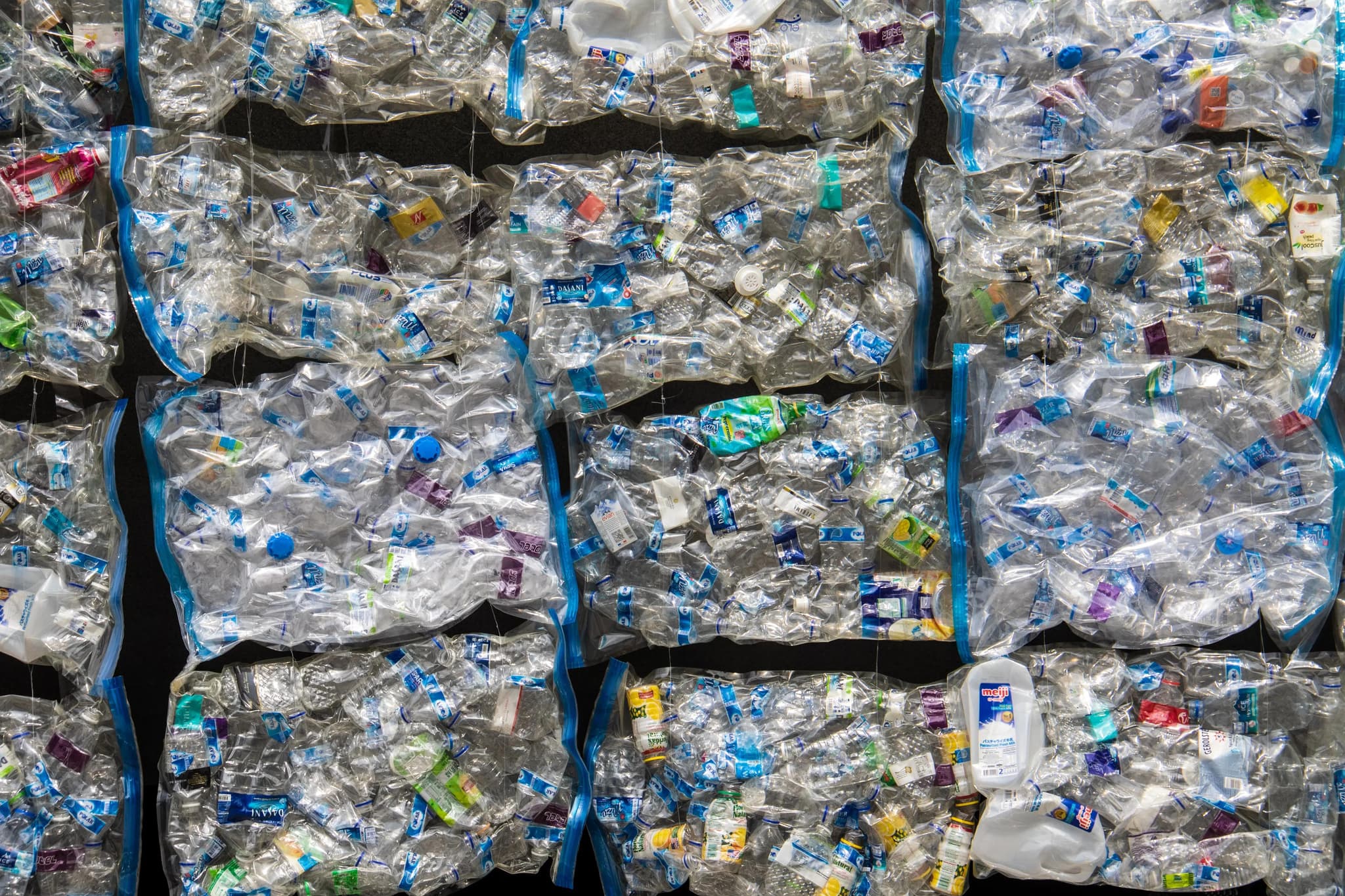
Your daily hydration needs aren’t the same as everyone else’s. Learn how to estimate your ideal water intake based on your body weight, activity level, and Indonesia’s tropical climate.
You’ve probably heard the “eight glasses of water a day” rule. But have you ever wondered who that number is actually meant for? Someone weighing 50 kg and someone weighing 90 kg clearly have different hydration needs. The same goes for an office worker spending the day in an air-conditioned room versus a motorcycle courier working under Jakarta’s midday sun. The truth is, eight glasses is only a rough guideline, not a one-size-fits-all rule. For many people in Indonesia, it may not be enough.
A 2020 study known as the Indonesian Hydration Regional Study (THIRST) found that approximately 46.1% of 1,200 respondents in Indonesia experienced mild dehydration. That means nearly half of the people surveyed were going about their daily lives without getting enough fluids. The tricky part? Mild dehydration doesn’t always make you feel thirsty. Instead, it can show up as fatigue, difficulty concentrating, or feeling tired more easily than usual.
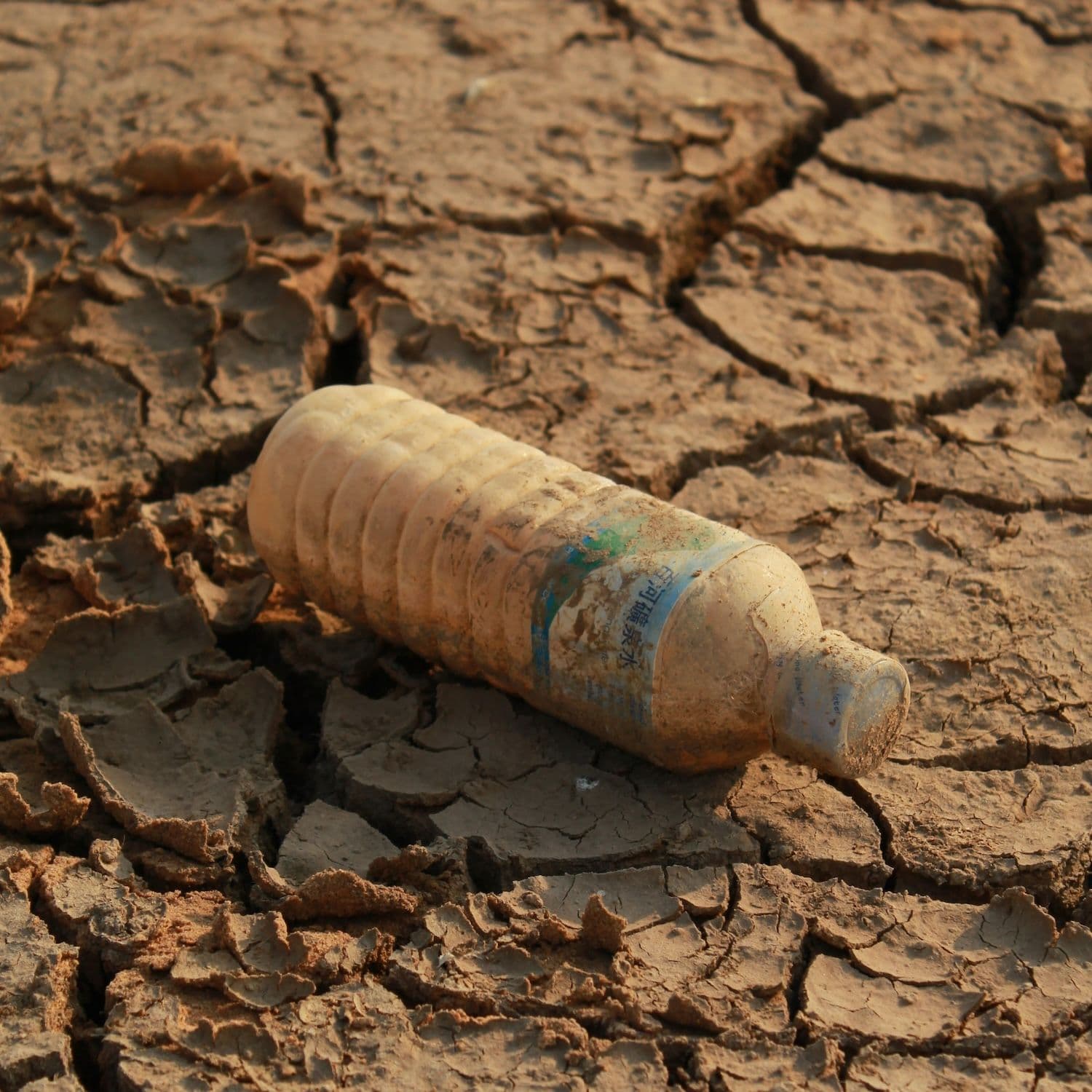
The problem becomes even more relevant in Indonesia’s tropical climate. According to Indonesia’s Meteorology, Climatology, and Geophysics Agency (BMKG), maximum air temperatures in several parts of the country have reached 37.5°C, while temperatures continue to trend upward. The hotter and more humid the environment, the more fluid your body loses through sweat. This means your hydration needs may exceed general recommendations, especially when you spend long periods outdoors or in the heat.
Two Ways to Estimate Your Daily Water Intake
1. Indonesia’s Ministry of Health Guidelines
Indonesia’s Ministry of Health recommends that adults drink approximately eight 230 ml glasses of water per day, equivalent to around 1.84 liters. This is a simple, easy-to-remember guideline, but it represents a general recommendation rather than an amount tailored to your individual needs.
2. A Body-Weight-Based Formula
For a more personalized estimate, you can use this simple formula:
Body weight (kg) × 30 ml = estimated daily water intake
For example, if you weigh 60 kg, your estimated baseline intake would be around 1.8 liters per day. Keep in mind that this is only a rough estimate and does not account for additional fluid needs from exercise, prolonged exposure to heat, or other individual factors.
For comparison, the U.S. National Academies of Sciences, Engineering, and Medicine sets the average daily adequate intake for total water at approximately 3.7 liters for adult men and 2.7 liters for adult women. These figures include fluids from both beverages and food, not just drinking water.
What Can Increase Your Daily Hydration Needs?
Your baseline intake may not be enough if you:
- Engage in intense physical activity or exercise regularly.
- Spend time outdoors or work in hot, humid conditions.
- Have a larger body size or higher individual fluid requirements.
- Spend long hours in air-conditioned environments, particularly if you forget to drink regularly.
Caffeine consumption alone does not necessarily mean you need significantly more water, but your overall drinking habits and activity level still matter.
Why Staying Hydrated Matters More Than You Think
Not getting enough fluids isn’t just about feeling thirsty. Research suggests that dehydration can affect concentration, memory, mood, and motivation. It can also reduce physical performance by contributing to fatigue, dizziness, and reduced endurance.
At a broader level, heat exposure and its associated physical and cognitive effects can undermine workplace productivity. Research cited in public health literature has highlighted the significant productivity losses associated with extreme heat, particularly in tropical regions such as Indonesia.
In other words, mild dehydration isn’t just a personal health concern. It can affect how you work, study, stay focused, and feel throughout the day.
How WaterHub Makes Staying Hydrated Easier
The challenge isn’t just knowing how much water you need. It’s also having convenient access to clean drinking water throughout the day.
Maintaining consistent hydration can be difficult when drinking water is inconvenient or expensive. As a result, people may put off drinking water or turn to packaged sugary drinks instead of making water their go-to choice.
That’s where WaterHub comes in.
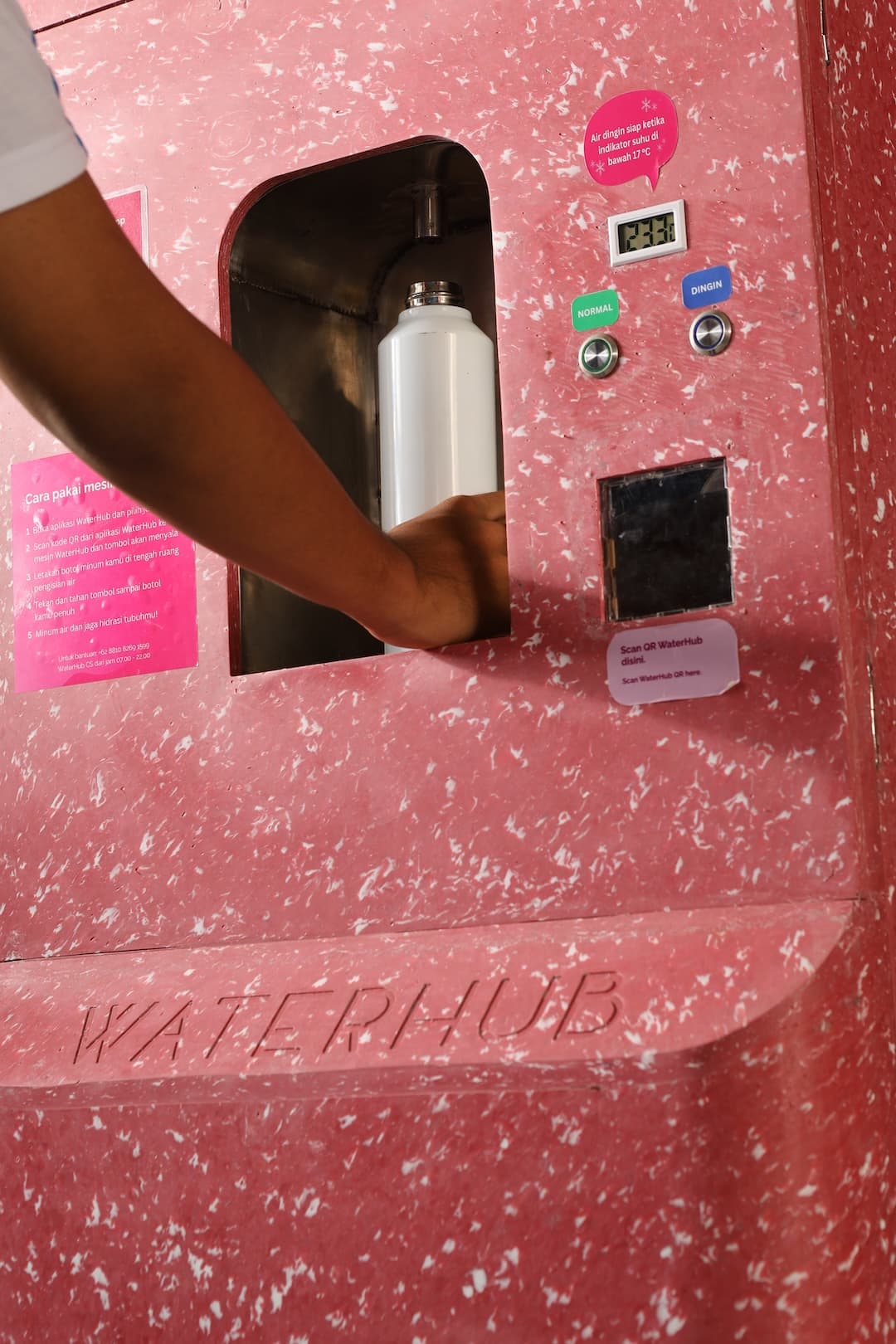
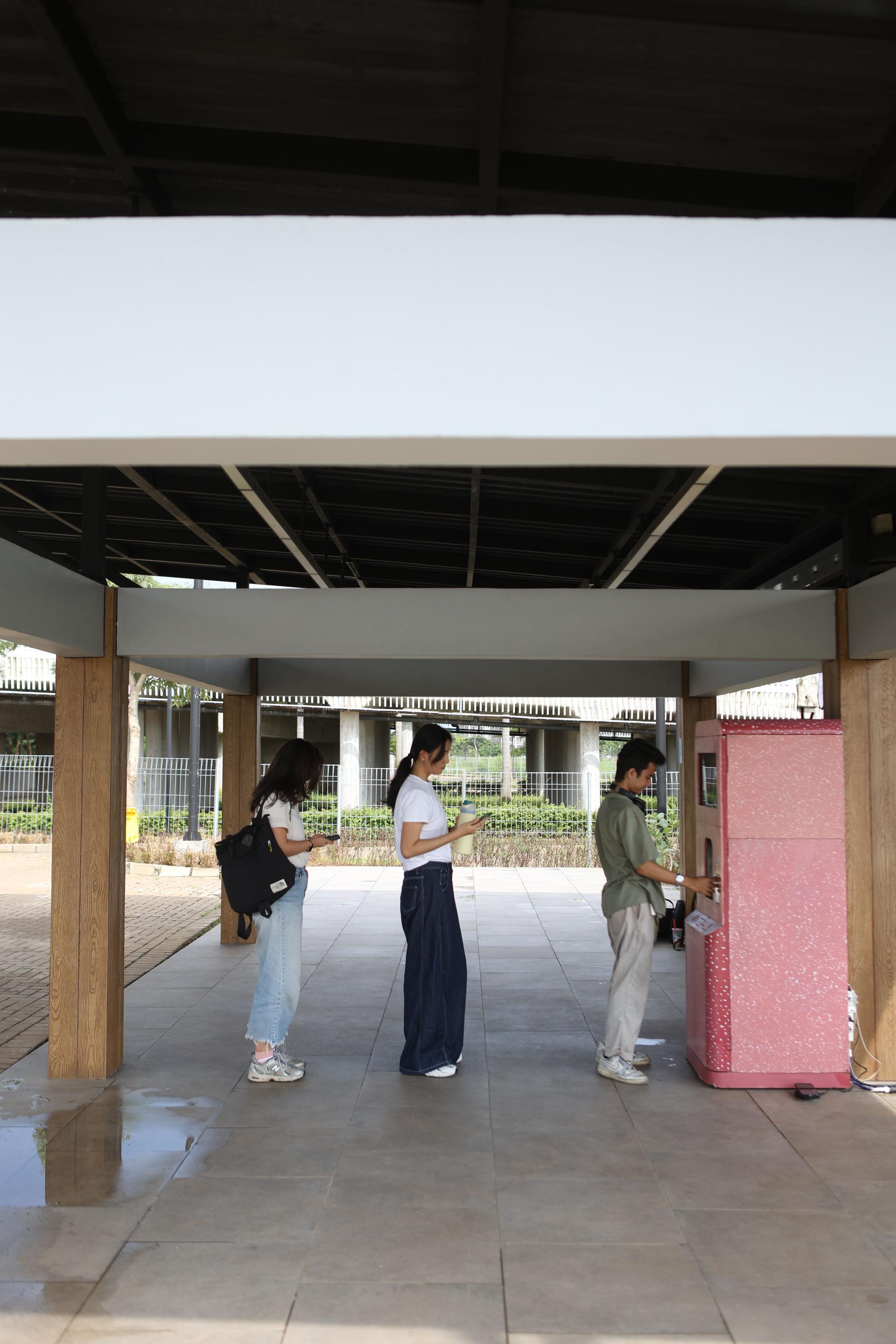
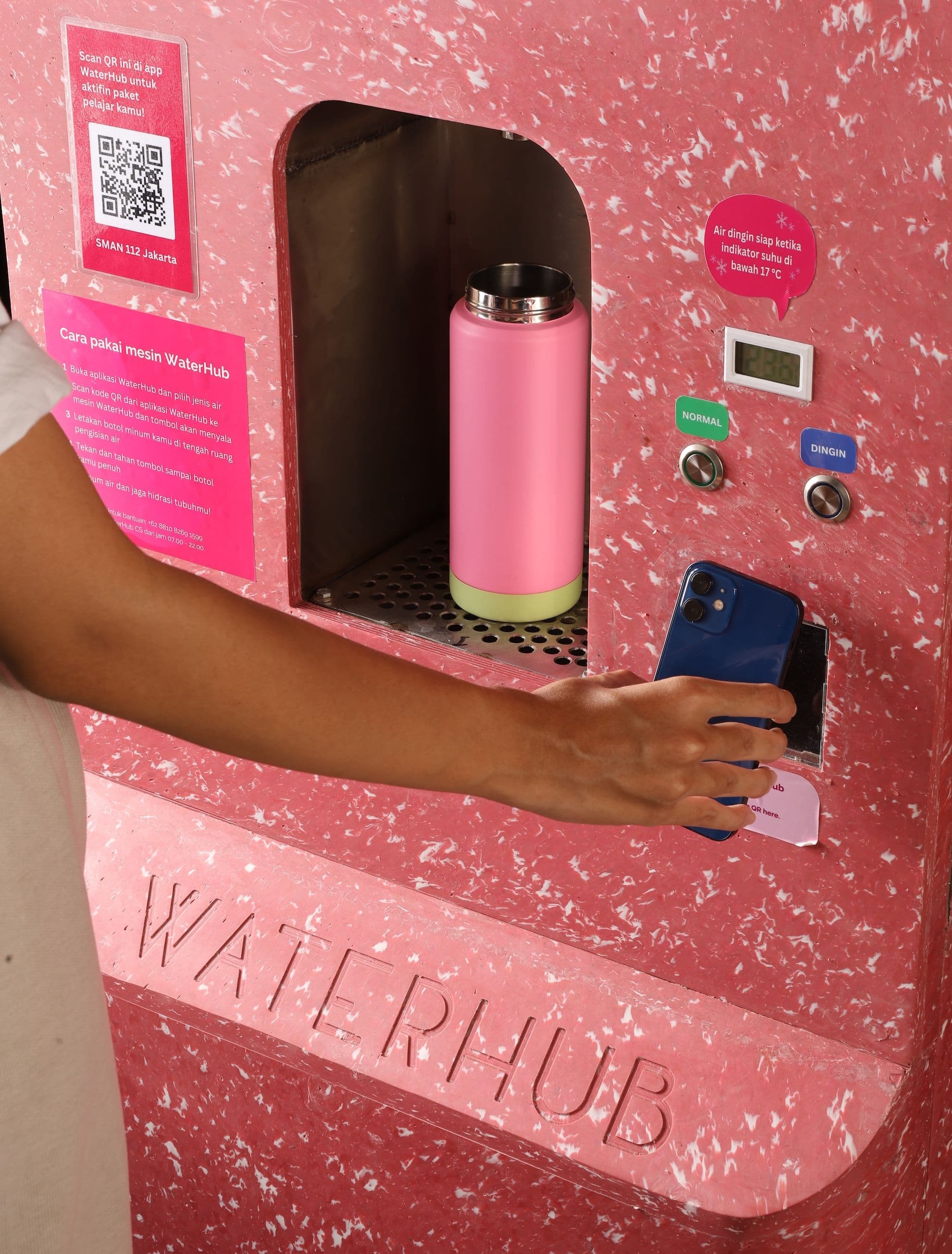
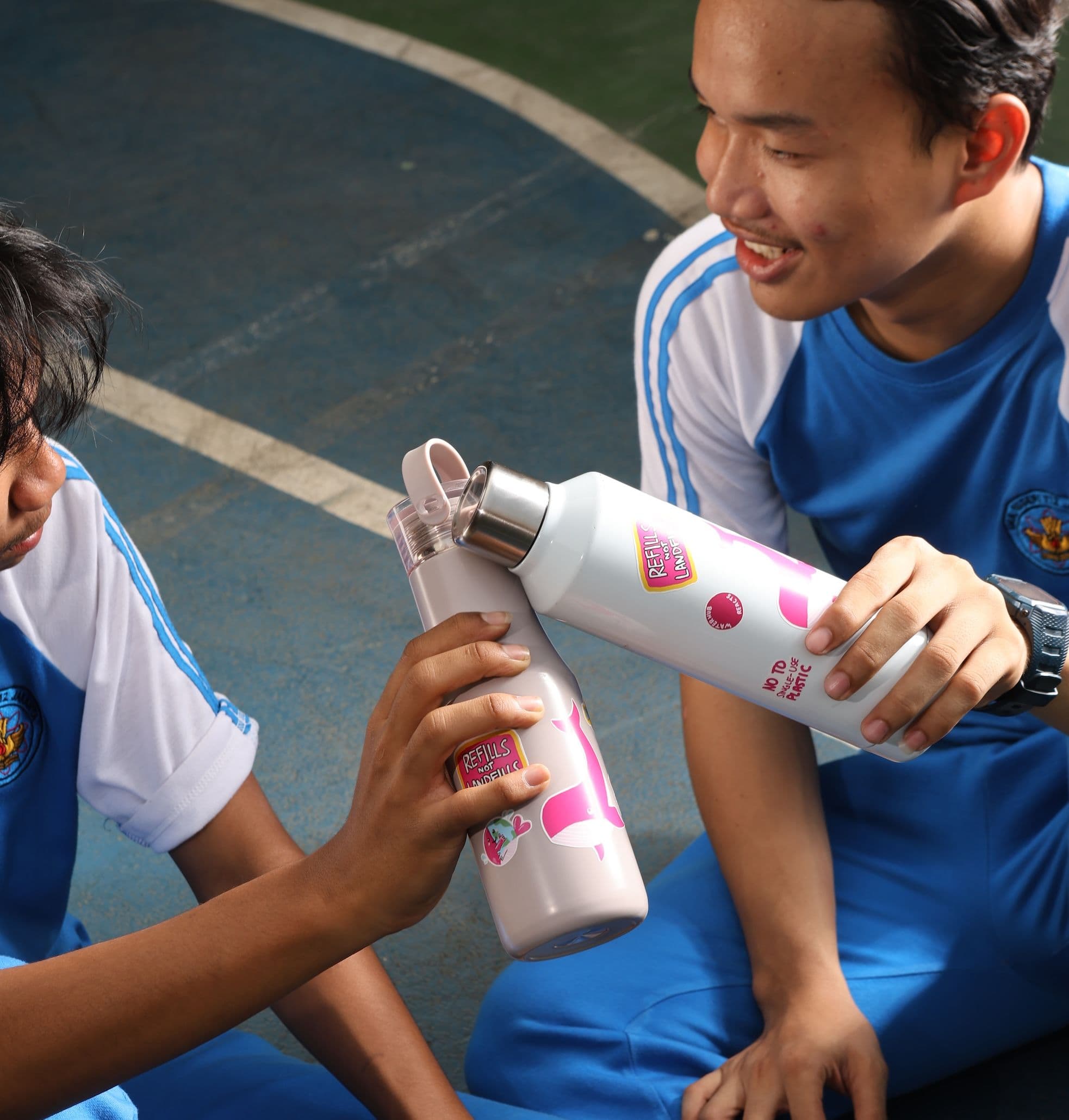
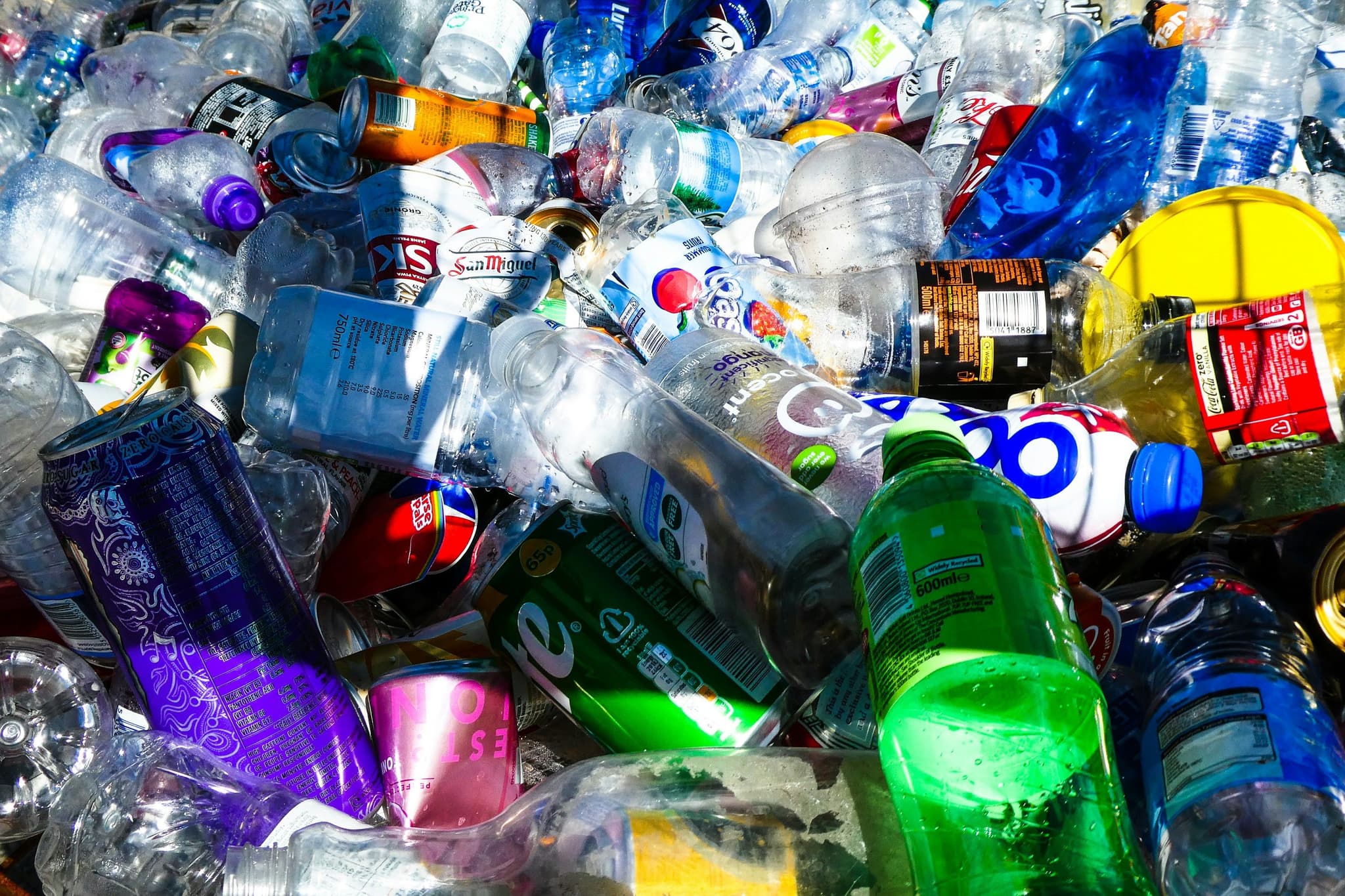
With refill stations powered by Reverse Osmosis (RO) filtration technology and IoT connectivity, WaterHub makes access to drinking water more convenient at offices, campuses, and other locations. By offering a more affordable alternative to single-use bottled water, WaterHub helps make daily hydration easier to maintain while reducing plastic waste.
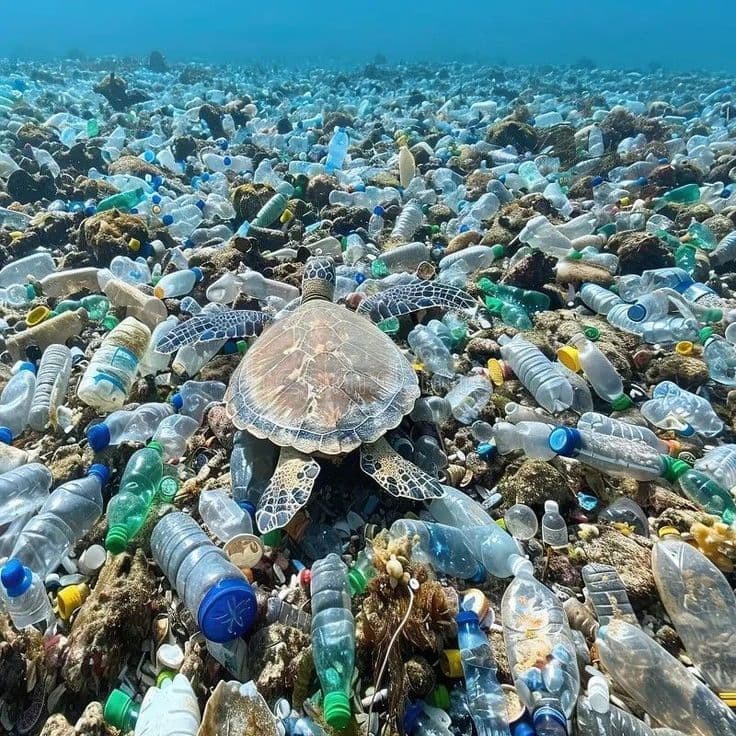
It’s a simple step with two benefits: making it easier to stay hydrated and helping reduce the environmental impact of single-use plastic bottles.
Now that you have a better idea of your daily water needs, make sure clean drinking water is always within reach.
Find your nearest WaterHub refill station and build a healthier hydration habit, one refill at a time.







 WaterHub
 Listy Laura Boru Simamora
 Lyonda Huwaidi
 Akmal Sulhan Tardoh
 Rivaldo Lawalata