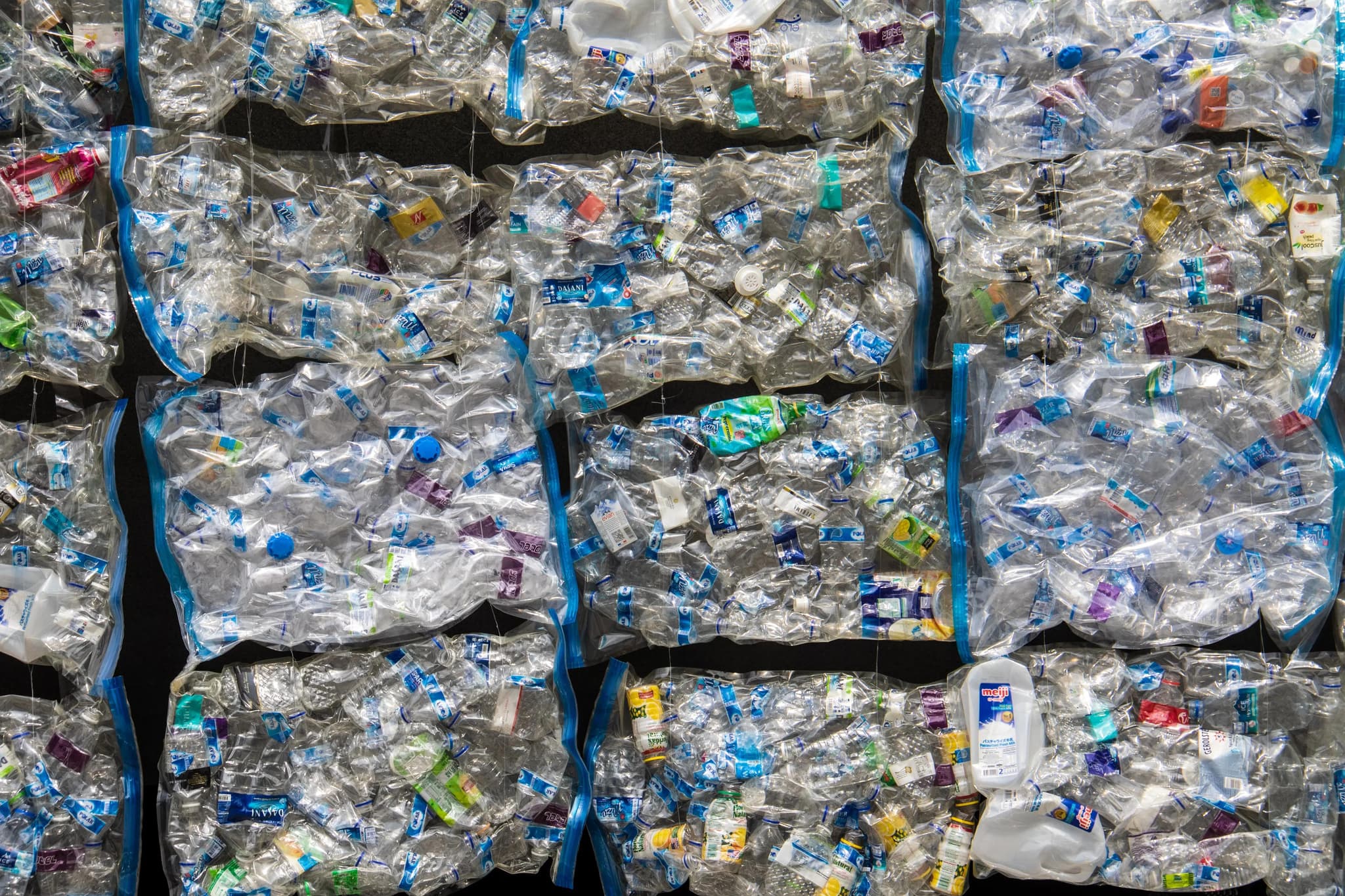
The plastic bottle you drink from this afternoon could still be somewhere on Earth hundreds or even thousands of years from now. Long after you, your children, and even your grandchildren are gone.
But here’s the twist: the widely circulated “450 years” figure is not an exact expiration date for plastic. Recent scientific research paints a far more complicated and, in some ways, more concerning picture.
The question is no longer simply “How long does plastic take to decompose?”
It is:
What actually happens when plastic appears to “disappear”?
Indonesia’s Plastic Waste Crisis Is Already Here
Indonesia is facing a very real plastic waste crisis.
According to Indonesia’s Ministry of Environment and Environmental Control Agency (KLH/BPLH), approximately 10.8 million tonnes of Indonesia’s waste nearly 20% of total national waste generation consists of plastic waste (Kementerian Lingkungan Hidup/Badan Pengendalian Lingkungan Hidup [KLH/BPLH], 2025).
Historical data from Indonesia’s National Waste Management Information System (SIPSN) also shows that plastic has consistently represented a significant share of the country’s waste composition over recent years (GoodStats, 2026; Santika, 2025).
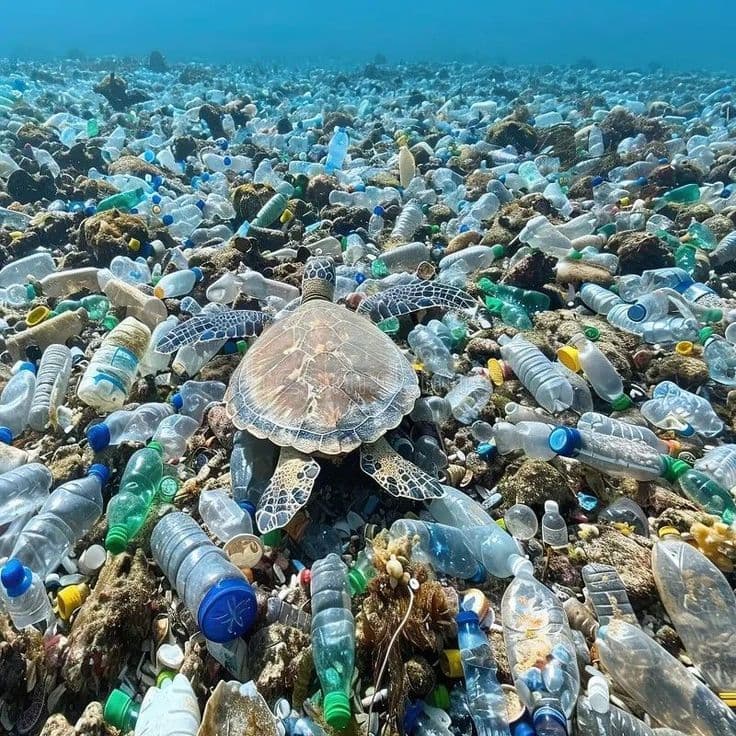
And the problem does not stop on land.
According to the World Bank’s Atlas of Sustainable Development Goals (2023), Indonesia has been identified as the second-largest contributor of marine plastic waste globally after China (Kementerian Kelautan dan Perikanan [KKP], n.d.).
Major rivers act as pathways carrying plastic waste toward the ocean. Once there, plastic can enter marine ecosystems and eventually return to our lives through the food and water systems we depend on.
Microplastics have already been detected in sea salt, drinking water, and even human blood (KKP, n.d.).
Ambitious Targets, But a Significant Gap
Indonesia has actually established ambitious national targets for waste reduction.
Under Presidential Regulation No. 97/2017, the government targeted a 30% reduction and 70% handling of national waste by 2025. Meanwhile, Presidential Regulation No. 83/2018 established a target to reduce marine plastic waste leakage by 70% by 2025 (Direktorat Jenderal PSLB3, 2024).
However, implementation has not yet matched those ambitions.
By 2023, the reduction of plastic waste leakage into the sea had reached only 41.68% of the 70% target, according to research cited by Kompas.id (Cordova, cited in Kompas.id, 2024).
This highlights a significant gap between policy commitments and what happens on the ground.
And that gap is partly shaped by the everyday consumption habits of millions of people including the simple decision to buy another single-use plastic bottle.
So, How Long Does a Plastic Bottle Actually Last?
One of the most common claims you will see online is:
“A plastic bottle takes 450 years to decompose.”
The number is often presented as if it were a precise scientific countdown.
It isn't.
The 450-year figure is a broad estimate, and the actual lifetime of plastic depends heavily on where the plastic ends up and the environmental conditions surrounding it.
What Does Scientific Research Actually Say?
One study examining original PET bottles recovered from the bottom of the Mediterranean Sea estimated that, under high-moisture conditions, PET bottles could persist for thousands of years, with laboratory simulations producing estimates ranging from approximately 2,736 to 9,337 years.
At the same time, the study found that PET began showing significant chemical degradation after around 15 years in the marine environment meaning its structure could become increasingly fragile long before the material completely disappears (Ioakeimidis et al., 2016).
Another study produced a very different result.
Research by Stanica-Ezeanu & Matei (2021) suggested that 50% degradation of PET could occur within approximately 4.5 years, with near-complete degradation potentially occurring within around 72 years under specific marine conditions. The researchers proposed that metal ions naturally present in seawater could act as catalysts, accelerating PET hydrolysis.
Meanwhile, a comprehensive review published in ACS Sustainable Chemistry & Engineering found that estimates for the environmental persistence of plastic bottles range broadly from approximately 70 to 450 years.
The review also emphasized that these estimates depend heavily on environmental conditions, including temperature, UV exposure, and whether the plastic is exposed to seawater, soil, or landfill conditions (Chamas et al., 2020).
So, which number is correct?
There isn't one universal number.
And that's exactly the point.
“Degraded” Does Not Mean “Gone”
This is perhaps the most important part of the conversation.
When plastic breaks down, it does not necessarily disappear in the same way that a leaf or piece of food decomposes.
Instead, plastic can fragment into progressively smaller pieces, including microplastics and nanoplastics.
The bottle may no longer look like a bottle.
But the material has not necessarily vanished.
It may simply have become something much harder to see particles capable of persisting in ecosystems and moving through water, soil, food chains, and biological systems.
So whether the actual environmental persistence of a PET bottle is measured in decades, centuries, or potentially thousands of years, one conclusion remains consistent:
A single-use plastic bottle can outlive us by an extraordinary amount of time.
The Cost of Plastic Waste Is Already Being Paid
The consequences of Indonesia's plastic waste problem are not just future projections.
They are already visible environmentally, economically, and socially.
💰 The Economic Cost
Researchers at Indonesia's National Research and Innovation Agency (BRIN), including Muhammad Reza Cordova, estimated that Indonesia's plastic waste leakage into the ocean averaged approximately 484,000 tonnes per year between 2018 and 2023.
The associated economic losses have been estimated at approximately Rp125–255 trillion per year, affecting sectors including fisheries, tourism, maritime activities, and public health (Kompas.id, 2024).
🌊 The Impact on Marine Life
The consequences can also be devastating for marine ecosystems.
One widely reported case involved a sperm whale found dead in the waters of Wakatobi National Park, with approximately 5.9 kilograms of plastic waste discovered inside its stomach (KKP, n.d.).
The story illustrates a disturbing reality: plastic waste discarded far from the ocean can travel through waterways and eventually become a direct threat to marine life.
♻️ A Waste Management System Under Pressure
Indonesia's waste management system also continues to face major challenges.
A significant proportion of national waste still ends up in disposal sites that do not meet proper waste-management standards, while the national recycling rate remains relatively low at around 22% (KLH/BPLH, 2025).
The numbers tell a clear story:
Indonesia's plastic crisis isn't a problem waiting to happen. It is already happening.
The Problem Starts With Something We Do Every Day
At the heart of the issue is a simple habit that is easy to overlook:
single-use bottled water consumption.
Every time someone buys a plastic bottle because safe, affordable drinking water is not readily accessible, another piece of plastic enters a system that is already struggling to manage millions of tonnes of waste.
This is why solving the plastic problem cannot rely solely on telling people:
“Use less plastic.”
People need alternatives that are practical, accessible, affordable, and convenient.
WaterHub: Making Refill the Easier Choice
This is where WaterHub comes in.
Rather than simply asking people to reduce plastic consumption, WaterHub focuses on addressing the problem upstream by providing real access to refillable drinking water.
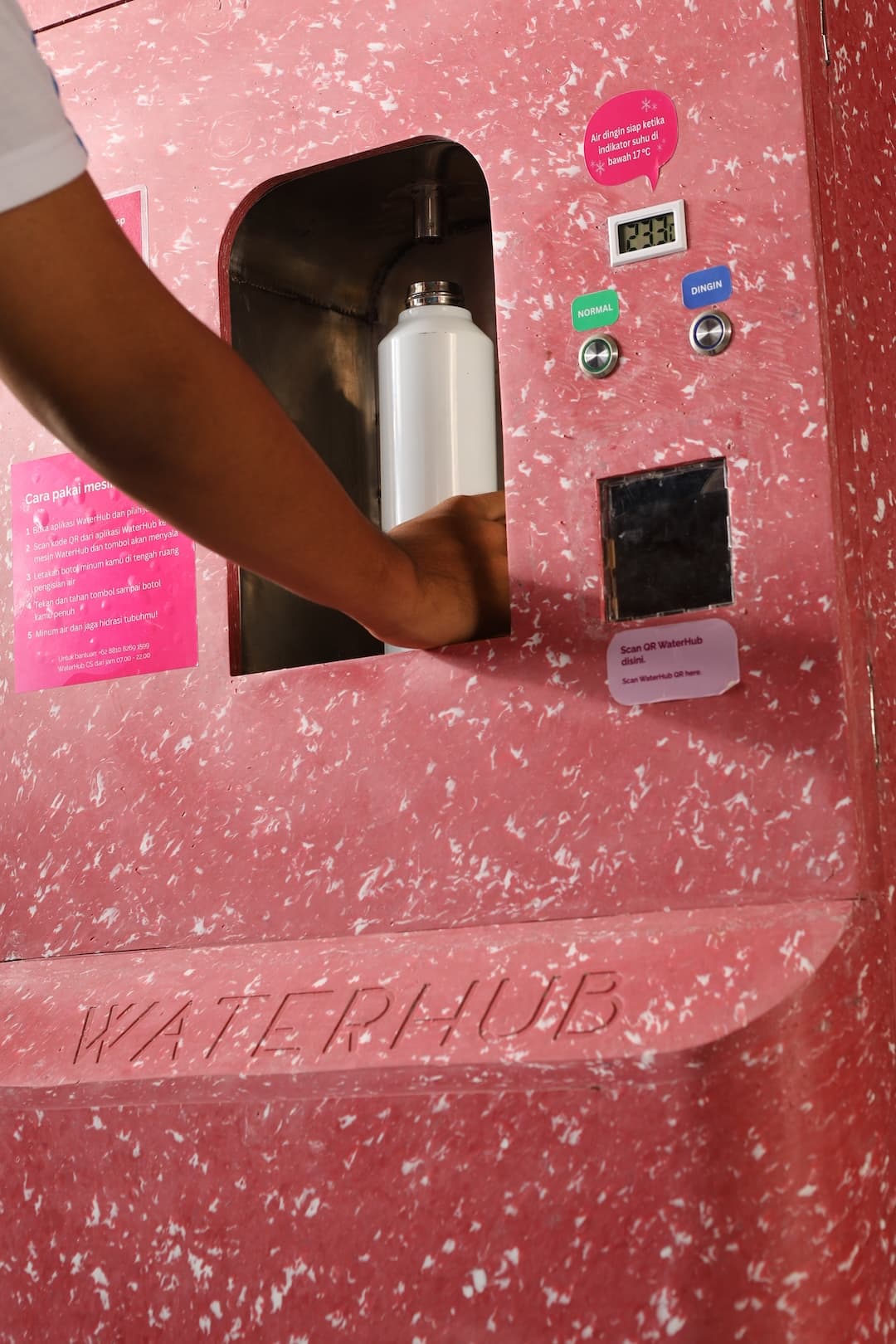
WaterHub is a technology-enabled water refill station using Reverse Osmosis (RO) filtration and IoT technology, designed to transform available water sources including treated municipal water, groundwater, and rainwater into quality drinking water.
And the idea is simple:
Make refilling easier. Make it affordable. Make it accessible.
Because sustainability becomes much more powerful when the sustainable choice is also the most practical choice.
Every litre refilled through WaterHub represents a plastic bottle that doesn't need to be produced, doesn't need to be transported, and doesn't need to become waste.
One refill may seem small.
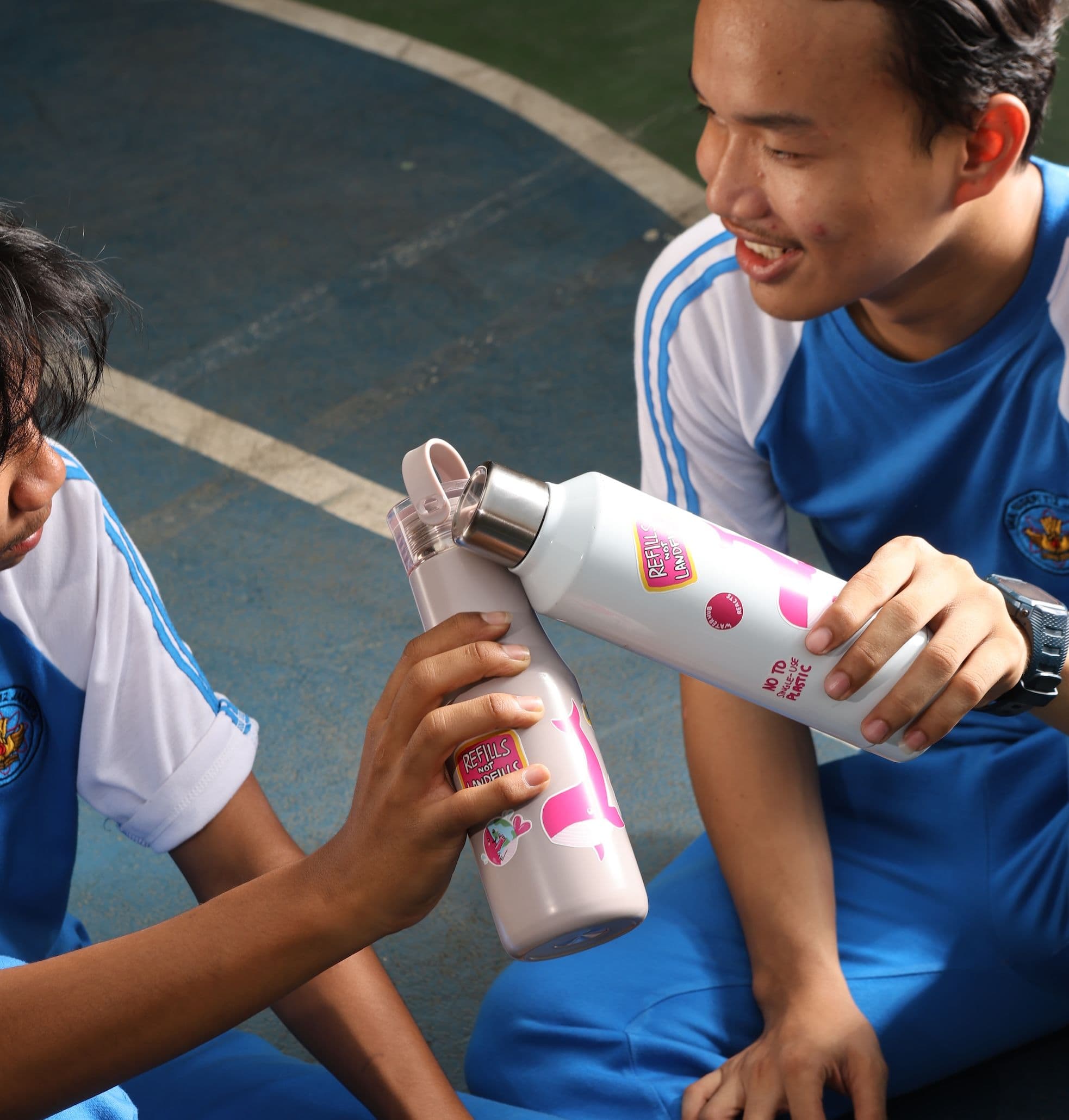
But when repeated by thousands of people, every day, across schools, workplaces, events, public spaces, and communities, those small decisions can become a meaningful shift in consumption behavior.
One Refill. One Less Bottle.
The plastic bottle you don't buy today may seem insignificant.
But multiply that decision by hundreds, thousands, or millions of people.
That's where infrastructure can create behavioral change.
The future of sustainability isn't only about asking people to make better choices.
It's about building systems that make better choices easier to make.
WaterHub is part of that system.
Not simply as a water refill station, but as an infrastructure solution designed to make reusable, affordable drinking water more accessible while reducing dependence on single-use plastic bottles.
Because the goal isn't just to reduce the number of bottles we throw away.
It's to prevent those bottles from becoming waste in the first place.
Be Part of the Solution, Not Part of the Statistics.
Find your nearest WaterHub refill station and start reducing your plastic footprint today.
One refill.
One less bottle.
One step toward a more sustainable future.









 WaterHub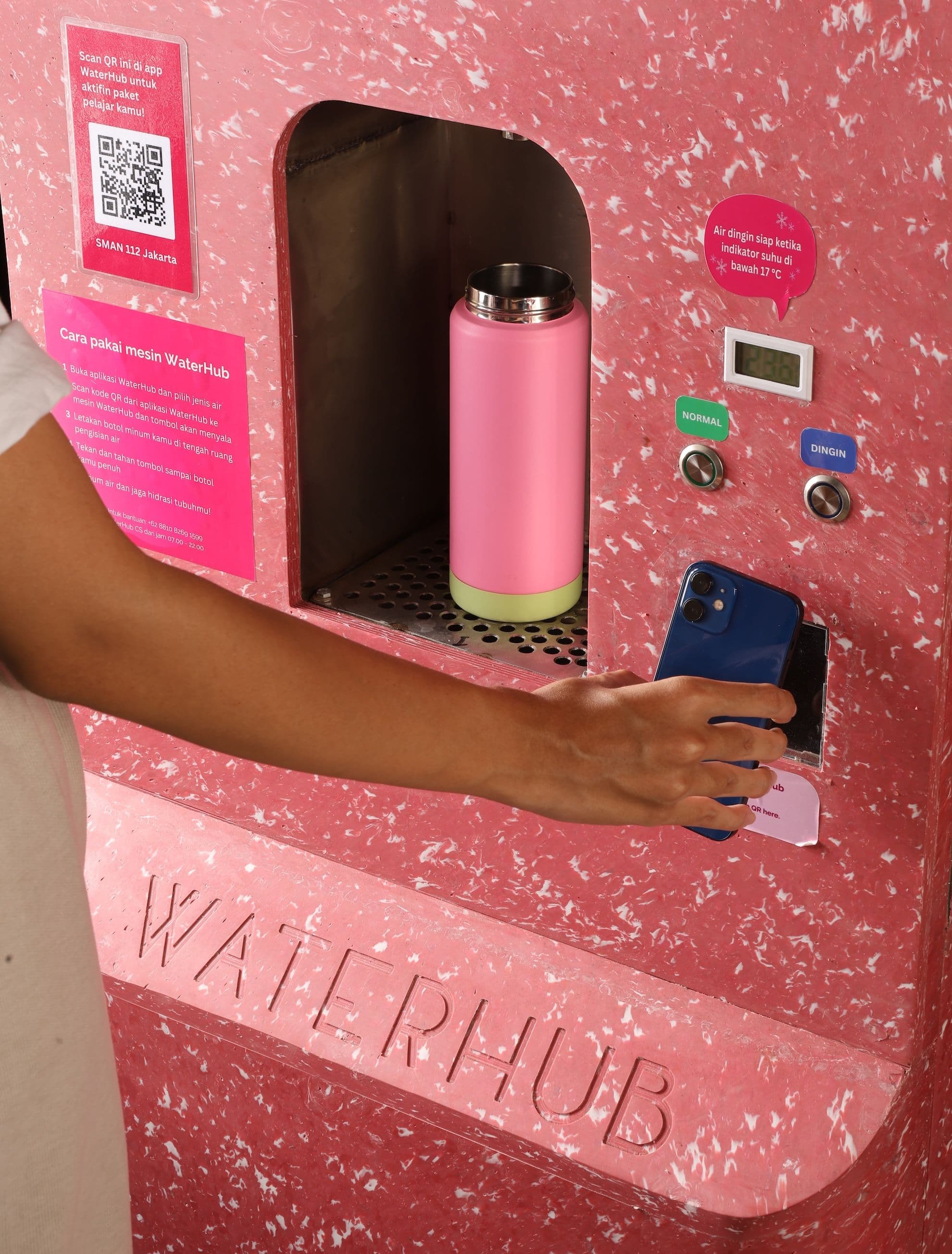

 Lyonda Huwaidi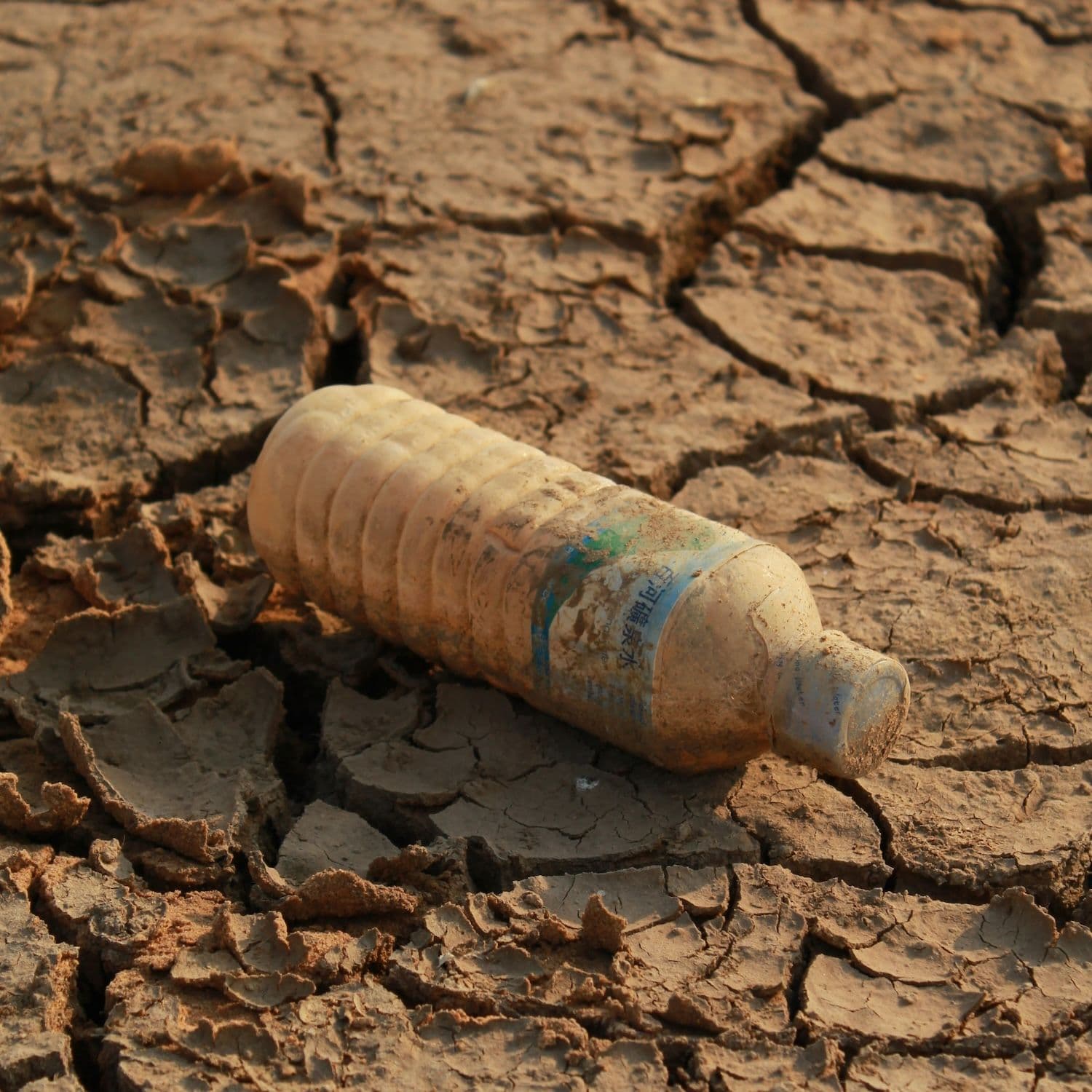
 Akmal Sulhan Tardoh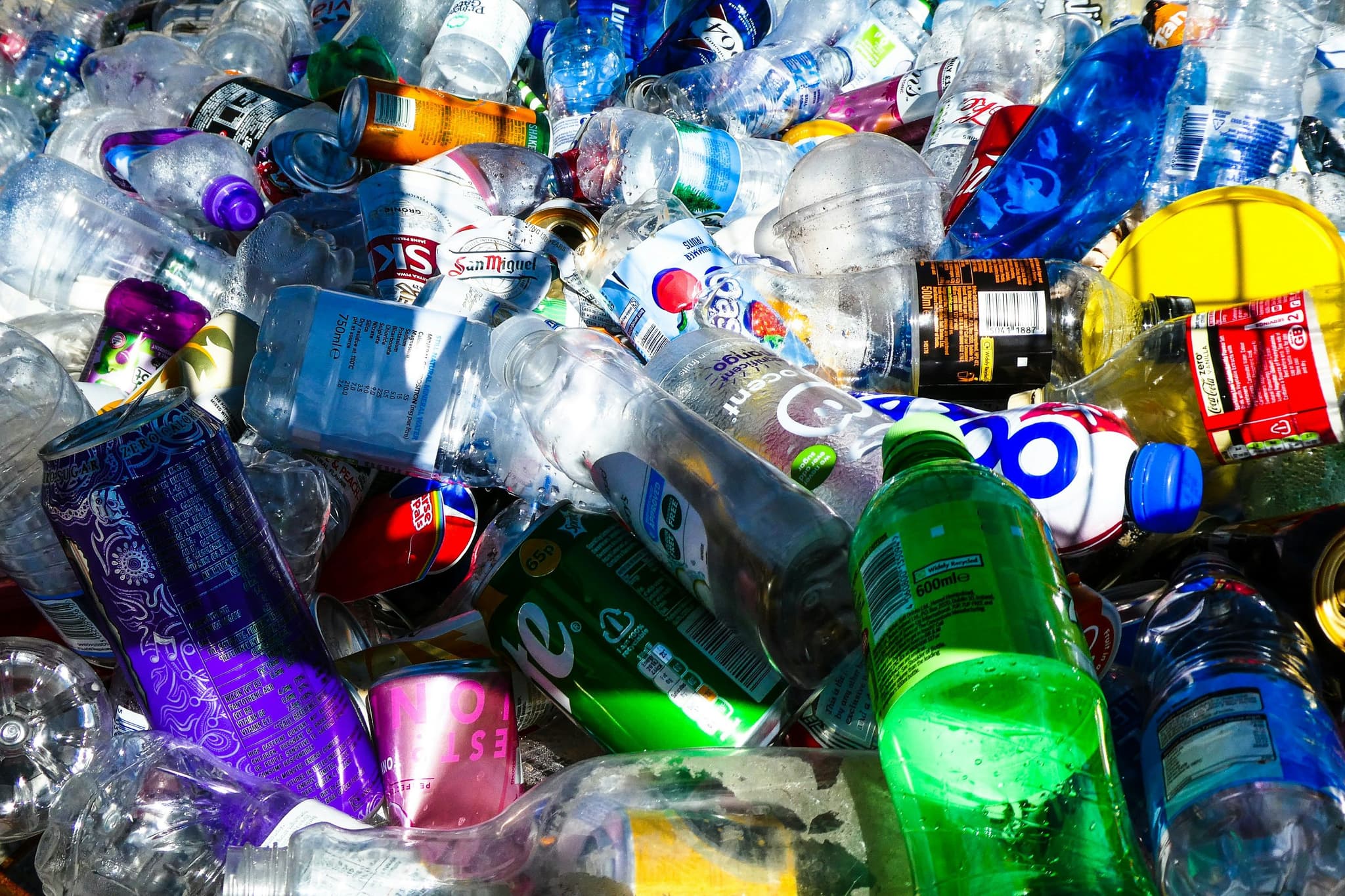
 Rivaldo Lawalata